INTERNATIONAL CALL FOR SOLIDARITY IN THE FACE OF FLOODING IN RIO GRANDE DO SUL (RS), BRAZIL
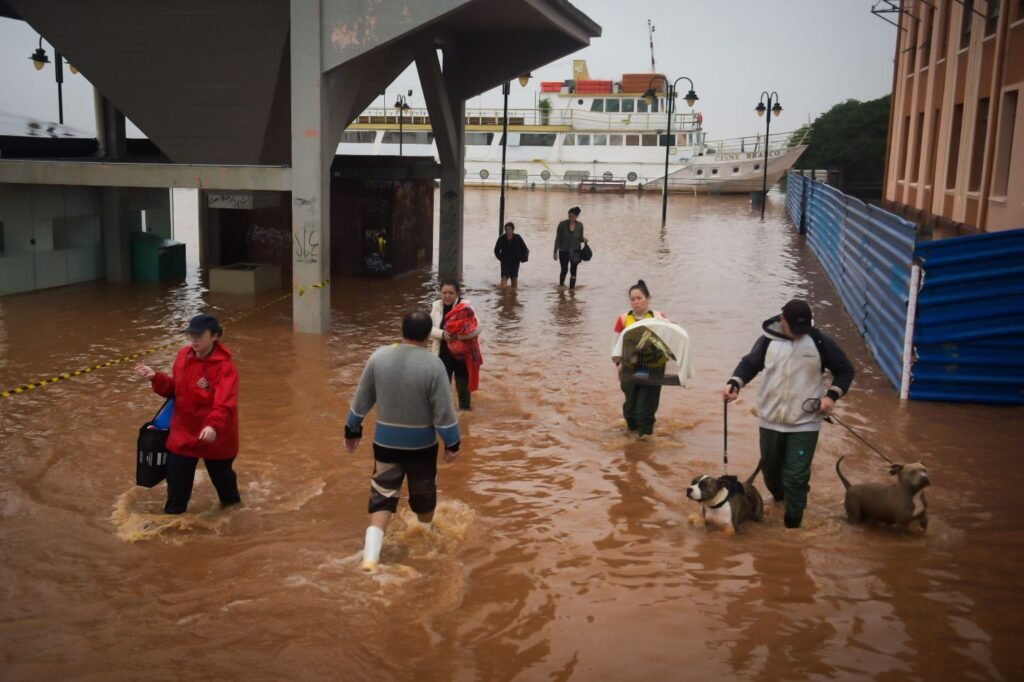
The emergency is climatic, the responsibility is political. Solidarity is our strength. Friends of the Earth Brazil in solidarity with the people affected in Rio Grande do Sul Just eight months after what was believed to have been the biggest climate tragedy in Rio Grande do Sul, we are once again experiencing an even worse situation, which demands the mobilisation of internationalist class solidarity and popular organisation for reconstruction and care for the sustainability of life, in the face of the inability of a neoliberal state to respond, with outsourced services, privatised public companies and structural environmental racism. Intense and heavy rainfall, which reached 800 mm in some places, has hit almost every municipality in the state from 29 April onwards. The accumulated rainfall equalled the entire average rainfall forecast for five months. Streams and rivers reached levels even higher than the events of September 2023. There were landslides, destruction of roads and highways, flooding of cities, death and destruction. The RS civil defence figures as of 8 May show that 100 people have died, 128 are missing and 372 have been injured in 417 of the 497 municipalities, affecting a population of more than 1.4 million people. These figures are likely to rise, as there have been sinkholes in isolated parts of the countryside and flooded towns in the metropolitan region. Countless domestic and subsistence animals are dead. More than 66,700 people are in shelters and 163,700 are displaced. For a week now, the army, firefighters, civil defence, military and civil police from Rio Grande do Sul and several other states, individual volunteers and activists from organisations and social movements have been rescuing lives by helicopter, boats, jet skis and land; opening up roads through the forest, distributing water, food, medical and ecological assistance. The material damage is of billions. Rebuilding cities, economies and lives will take a long time. Roads into the capital are closed. The airport is closed until at least 30 May. More than 70% of Porto Alegre’s population of 2 million is without electricity and water, with difficulties in communicating and getting basic survival items. Drinking water has been a daily dilemma for the entire population, and is in short supply on the shelves of many supermarkets and unreliable natural sources. Regions and municipalities in the countryside of Rio Grande do Sul remain isolated, unable to receive help. Many family members have no news of each other. The regions hit by last year’s floods, especially the valleys of the Jacuí, Taquari and Pardo rivers and the Serra Gaúcha, have suffered a new impact of greater proportions. Towns that hadn’t even been rebuilt, including Muçum, Roca Sales, Arroio do Meio, Lajeado, Santa Tereza and Estrela, ended up being totally or partially destroyed once again. Municipalities on the north coast, such as Maquiné, and in the valleys of the Paranhana, Caí and Sinos rivers, which were the focus of the floods in June 2023, have once again suffered damage, especially cities in the metropolitan region, the 5th most populous in Brazil, home to around 4.3 million inhabitants. Porto Alegre is experiencing the worst flood in its history. The water containment systems were designed based on the historic flood of 1941, when the Guaíba River reached 4.77m and flooded part of the city centre and riverfront. This time, the Guaíba River, which receives water from the northern and central regions of the state, reached 5.35m, taking back what was once its bed and advancing into various parts of the city, which is now under siege. Even the headquarters of Friends of the Earth Brazil was hit by the waters after the pumps were turned off due to the risk of electrification, which caused the river to advance over the neighbourhoods of Cidade Baixa and Azenha, where our organisation, unions and solidarity kitchens are located. All joint efforts continue in order to save lives. We have witnessed a network of solidarity rarely seen before, involving the whole country in rescues, donations of food, clothing, hygiene and cleaning materials and money to help the homeless and displaced, setting up shelters and providing food parcels. Amigas da Terra Brasil (Friends of the Earth Brazil) continues to work together in active solidarity, collaborating in the Morro da Cruz community kitchen with the World March of Women and Periferia Feminista (Feminist Community), and in the MTST (Homeless Workers Movement ) Solidarity Kitchen in Azenha, which has joined forces with other movements such as MAB (Movement of People Affected by Dams) and MPA (Movement of Peasants), providing up to 1,800 meals a day for those affected in Porto Alegre and the metropolitan region. At this time of mourning for the lives lost, in the midst of pain and suffering, we offer our hearts and arms to help those who need the basics to stay alive. In the impact of this tragedy, we recall what we have been defending for a long time, which are also historical agendas of so many territories of life in struggle, as the indigenous peoples of Brazil have been warning: we need to confront the climate crisis. This confrontation will not come with new market technologies, nor with the charity of the owners of transnational corporations and their marketing campaigns about sustainability and solidarity, which make up practices that are the continuation of a colonial, racist, sexist, LGBTQIphobic project that destroys nature and the community. The climate emergency is a reality imposed on structural and systemic inequalities: environmental injustices fall on those least historically responsible for the problem, who are the most helpless to deal with the consequences. It’s as real as the context we live in today, where there is a lot of life to fight for. That’s where the point of being here lies. It is possible to put the brakes on the nefarious logics that are advancing on Earth, drastically reduce the impacts and increase the capacity to rebuild in situations like the one we are currently experiencing. This involves politics. It involves our fight
LLAMAMIENTO INTERNACIONAL A LA SOLIDARIDAD ANTE LAS INUNDACIONES EN RIO GRANDE DO SUL (RS), BRASIL
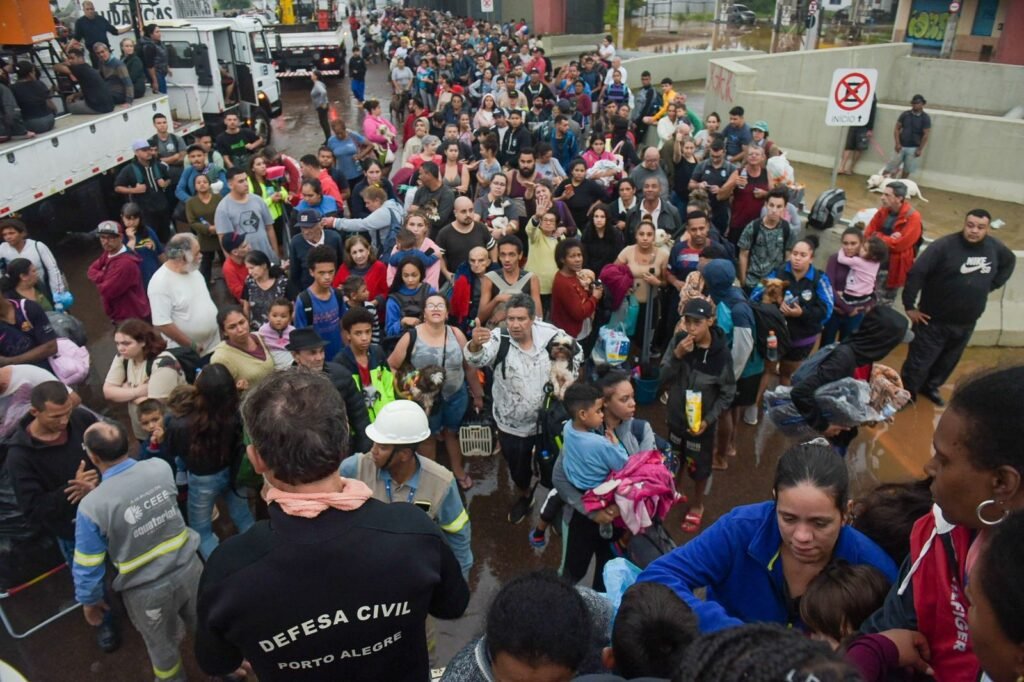
La emergencia es climática, la responsabilidad es política. La solidaridad es nuestra fuerza. Amigas de la Tierra Brasil en solidaridad con las personas afectadas en Rio Grande do Sul Apenas ocho meses después de lo que se creía la mayor tragedia climática en Rio Grande do Sul, en el sur de Brasil, volvemos a vivir una situación aún peor, que exige la movilización de la solidaridad de clase internacionalista y de la organización popular para la reconstrucción y el cuidado de la sustentabilidad de la vida, ante la incapacidad de respuesta de un Estado neoliberal, con servicios tercerizados, empresas públicas privatizadas y racismo ambiental estructural. Lluvias intensas y copiosas, que alcanzaron los 800 mm en algunos lugares, azotaron casi todos los municipios del estado a partir del 29 de abril. La precipitación acumulada igualó toda la precipitación media prevista para cinco meses. Los arroyos y ríos alcanzaron niveles incluso superiores a los sucesos de septiembre de 2023. Hubo desprendimientos de tierras, destrucción de carreteras y autopistas, inundación de ciudades, muertes y destrucción. Las cifras de la defensa civil de RS el 8 de mayo indican que hay 100 muertos, 128 desaparecidos y 372 heridos en 417 de los 497 municipios, lo que afecta a una población de más de 1.4 millones de personas. Es probable que estas cifras aumenten, ya que se han producido socavones en zonas aisladas del campo y pueblos inundados en la región metropolitana. Innumerables animales domésticos y de subsistencia muertos. Más de 66.700 personas en refugios y 163.700 desplazadas. Desde hace una semana, el ejército, los bomberos, la defensa civil, la policía militar y civil de Rio Grande do Sul y de varios otros estados, voluntarios individuales y activistas de organizaciones y movimientos sociales rescatan vidas en helicópteros, barcos, motos acuáticas y por tierra, abren caminos a través de la selva, distribuyen agua, alimentos y asistencia médica y ecológica. Los daños materiales ascienden a miles de millones. Reconstruir ciudades, economías y vidas llevará mucho tiempo. Las carreteras de acceso a la capital están cerradas. El aeropuerto permanecerá cerrado al menos hasta el 30 de mayo. Más del 70% de los 2 millones de habitantes de Porto Alegre están sin electricidad ni agua, con dificultades en las comunicaciones y en el suministro de artículos básicos de supervivencia. El agua potable ha sido un dilema diario para toda la población, y escasea en las estanterías de muchos supermercados y en fuentes naturales poco fiables. Regiones y municipios del interior de Rio Grande do Sul permanecen aislados, incapaces de recibir ayuda. Muchas familias no tienen noticias unas de otras. Las regiones golpeadas por las inundaciones del año pasado, especialmente los valles de los ríos Jacuí, Taquari y Pardo y la Serra Gaúcha, han sufrido un nuevo impacto de mayores proporciones. Municipios que ni siquiera habían reconstruido, como Muçum, Roca Sales, Arroio do Meio, Lajeado, Santa Tereza y Estrela, acabaron total o parcialmente destruidos una vez más. Municipios del litoral norte, como Maquiné, y de los valles de los ríos Paranhana, Caí y Sinos, que fueron el foco de las inundaciones de junio de 2023, volvieron a sufrir daños, especialmente ciudades de la región metropolitana, la 5ª más poblada de Brasil, con cerca de 4.3 millones de habitantes. Porto Alegre está sufriendo la peor inundación de su historia. Los sistemas de contención del agua se diseñaron teniendo en cuenta la inundación histórica de 1941, cuando el río Guaíba alcanzó los 4,77 m e inundó parte del centro de la ciudad y la orilla. Esta vez, el río Guaíba, que recibe agua de las regiones norte y centro del estado, alcanzó los 5,35 m, recuperando lo que fue su cauce y avanzando hacia varias partes de la ciudad, que ahora se encuentra sitiada. Incluso la sede de Amigas de la Tierra Brasil fue alcanzada por las aguas después de que se desconectaran las bombas por riesgo de electrificación, lo que provocó que el río avanzara sobre los barrios de Cidade Baixa y Azenha, donde se encuentran nuestra organización, sindicatos y también las cocinas solidarias. Todos los esfuerzos conjuntos siguen con objetivo de salvar vidas. Hemos sido testigos de una red de solidaridad pocas veces vista, involucrando a todo el país en rescates, donaciones de alimentos, ropa, materiales de higiene y limpieza y dinero para ayudar a las personas sin hogar y desplazadas, montando refugios y proporcionando paquetes de alimentos. Amigas de la Tierra Brasil sigue trabajando en solidaridad activa, colaborando en el comedor comunitario de Morro da Cruz con la Marcha Mundial de las Mujeres y Periferia Feminista, y en el Comedor Solidario MTST de Azenha (Movimiento de los Trabajadores Sin Techo), que ha unido fuerzas con otros movimientos como el MAB (Movimiento de Afectados por Represas) y el MPA (Movimiento de los Pequeños Agricultores), proporcionando hasta 1.800 comidas al día para los afectados de Porto Alegre y la región metropolitana. En este momento de luto por las vidas perdidas, en medio del dolor y el sufrimiento, ofrecemos nuestros corazones y brazos para ayudar a quienes necesitan lo básico para seguir vivos. En el impacto de esta tragedia, recordamos lo que venimos defendiendo hace mucho tiempo, que son también agendas históricas de tantos territorios de vida en lucha, como vienen alertando los pueblos indígenas de Brasil: necesitamos enfrentar la crisis climática. Este enfrentamiento no vendrá con las nuevas tecnologías de mercado, ni con la caridad de los dueños de las empresas transnacionales y sus campañas de marketing sobre sustentabilidad y solidaridad, que componen prácticas que son la continuación de un proyecto colonial, racista, sexista, lgbtqifóbico y destructor de la naturaleza y de la comunidad. La emergencia climática es una realidad que se impone a las desigualdades estructurales y sistémicas: las injusticias medioambientales recaen sobre los menos responsables históricos del problema, que son los más indefensos para hacer frente a las consecuencias. Es tan real como el contexto en el que vivimos hoy, donde hay mucha vida por la que luchar. Ahí radica el sentido de estar aquí. Es posible frenar